


Festive & Corporate Gifting Season: A Bulk-Order Buyer's Guide to Hamper & Catering Packaging Every
Blogs > Festive & Corporate Gifting Season: A Bulk-Order Buyer's Guide to Hamper & Catering Packaging Every
Every October, order books across India’s gifting and catering trade fill up almost overnight. Between the first Navratri sweet box and the last Diwali hamper leaving the dispatch bay in November, hamper brands, mithai houses, and catering companies move more volume in six weeks than in the rest of the year combined. Packaging, though, is usually the last thing anyone plans for — and the first thing that runs out.
If you buy or specify packaging for a gifting, catering, or mithai business, this guide covers how early to place bulk orders, which container formats suit festive presentation, what pricing looks like at volume, and where Indian gifting packaging is heading in 2026.
Why the Festive Window Is a Different Buying Problem
Regular catering or takeaway demand is fairly linear — a steady stream of containers through daily operations. Festive gifting demand is the opposite: a sharp spike compressed into a few weeks, with everyone in the trade placing similar orders at once.
That mix of tight timelines, shared peak demand, and premium presentation expectations is why “order when you need it” thinking falls apart every festive season. Buyers who treat October stock like routine monthly packaging usually end up short, paying rush freight, or settling for whatever size is available.
When to Place Your Bulk Order
As a rule of thumb, festive bulk orders for PP plastic food containers should be locked in eight to ten weeks before your first dispatch — for most gifting and mithai businesses, that means ordering by early-to-mid August for an October–November rollout.
A few factors shape this timeline:
● Custom branding takes longer. In-mould labelling or a die-cut hamper shape adds weeks beyond a standard stock order.
● Volume affects production slots. Manufacturers plan festive capacity ahead of time; early buyers get priority slots.
● Logistics tighten closer to the festival. Transport demand across India spikes in the two weeks before Diwali, so late-dispatched containers risk arriving after they’re needed.
Treat festive packaging like festive inventory: forecast early, order in one consolidated batch, and keep a buffer for last-minute top-ups.
Choosing the Right Container Format
Not every container is built for a festive hamper or catering buffet. Here’s how common formats map to festive use cases:
Cherry food containers suit premium mithai and dry-fruit gifting. Their rounded shape and clear body give sweets a boutique look rather than a purely functional one.
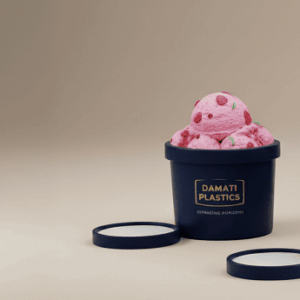
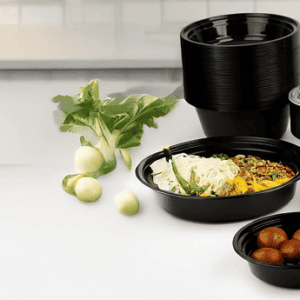
Round food containers work well for single-item gifting — a portion of laddoos, a dessert, or a chutney accompanying a hamper — and stack efficiently when palletising thousands of units.
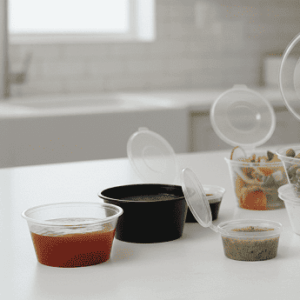
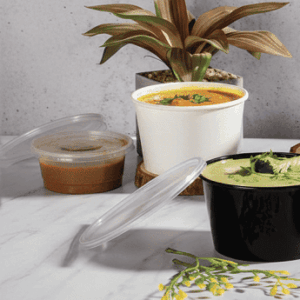
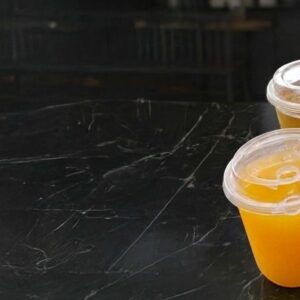
Deli food containers suit anything semi-liquid or delicate — chutneys, garnishes, or wet mithai — where a leak-resistant seal protects the product and everything around it.
Hinged food containers are ideal for grab-and-go festive snack boxes and single-serve sweets, since the attached lid can’t get separated during high-volume packing runs.
Compartment food containers work when a hamper or catering order combines items that shouldn’t touch, such as mithai with namkeen, or a festive thali box with a sweet, a savoury, and a main course kept apart.
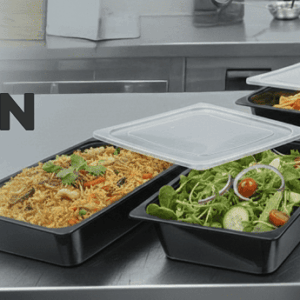
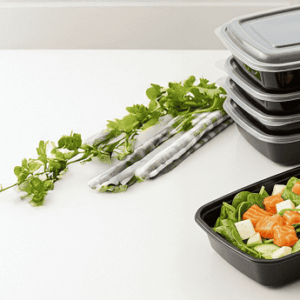
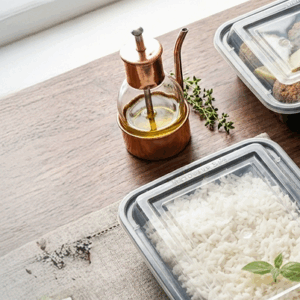
Rectangular food containers are the workhorse for catering-side demand — buffet portions and bulk corporate mithai distribution — where maximising usable case space matters more than decorative shape.
Across all formats, the material matters as much as the shape. Plastic containers for food packaging used in festive gifting should be food-grade, BPA-free, and sturdy enough to survive transit; a cracked container on arrival undoes weeks of careful sourcing.
What Bulk Ordering Costs — and Where the Savings Are
Container pricing moves in bands tied to volume:
● Small or trial orders carry the highest per-unit cost, since overheads spread across fewer pieces.
● Mid-volume orders — where most hamper and catering brands land — start unlocking meaningful per-unit reductions.
● High-volume, consolidated orders placed early in a single batch usually get the best pricing, since manufacturers can plan one efficient production run instead of several.
The takeaway: one well-forecast bulk order almost always beats several smaller “just in case” reorders, on both price and stock reliability.
Where Festive Packaging Is Headed in 2026
Indian corporate and consumer gifting is shifting in ways that affect packaging choice this year. Buyers are moving from single-use presentation toward reusable food packaging a recipient might genuinely keep — favouring durable, microwave- and freezer-safe containers over throwaway alternatives. Personalisation and premium presentation are rising priorities too, so clarity, stackability, and finish matter more than in a purely functional catering order. And since larger companies now plan festive gifting months ahead through procurement and HR teams, custom packaging for festive hampers — sizes, finishes, and branding decided early — is becoming the norm.
Suppliers who can offer bulk plastic container supply with consistent quality across a five-hundred or five-thousand-unit order, on a timeline that respects the festive calendar, are the ones buyers return to year after year.
Conclusion: Plan Your Packaging Like You Plan Your Product
Festive and corporate gifting season rewards buyers who plan early. The containers you choose shape how a hamper looks on arrival, how safely catering portions travel, and how smoothly your team packs thousands of units without last-minute scrambling. Getting the format, timeline, and order volume right isn’t a minor detail — it’s part of the product itself.
Damati has spent over two decades manufacturing food-grade PP plastic containers for India’s gifting, catering, and mithai trade, with the infrastructure to support festive-scale bulk orders without compromising on quality or delivery timelines. If your festive packaging plan isn’t locked in yet, explore Damati’s Cherry, Round, Deli, Hinged, Compartment, and Rectangular container ranges, or get in touch with our team to discuss volumes, customisation, and lead times before the rush begins.
Frequently Asked Questions
Q1: How far in advance should I place a bulk order for festive or Diwali gifting packaging?
A1: Eight to ten weeks before your first dispatch — typically by early-to-mid August for an October–November rollout. Add extra time for custom branding or in-mould labelling.
Q2: Which container series works best for premium mithai and dry-fruit hampers?
A2: Cherry and Round food containers suit premium mithai and dry-fruit gifting thanks to their clean, boutique presentation. Compartment food containers help when a hamper combines items, like sweets and namkeen, that need to stay separate.
Q3: Do bulk orders actually reduce the per-unit cost of food containers?
A3: Yes. Pricing moves in volume bands — small trial orders cost more per unit, while mid- and high-volume orders, especially when consolidated into one early order, typically get better pricing than several smaller reorders.
Q4: Are plastic containers safe and suitable for gifting and catering use?
A4: Food-grade, BPA-free PP plastic containers are widely used across India’s gifting and catering trade because they’re microwave- and freezer-safe, leak-resistant, and sturdy enough to survive bulk transit intact.
Q5: Can festive hamper and catering packaging be customised with branding?
A5: Yes. Custom packaging for festive hampers can include branded labels, in-mould labelling, and specific sizes or shapes, though custom work needs a longer lead time than standard stock containers.
Q6: What order size counts as “bulk” for festive packaging?
A6: This varies by manufacturer, but bulk festive orders typically start in the low thousands of units. Share your expected volume directly with your supplier to confirm pricing bands and production slots.
