


Export-Ready Food Packaging: The Certifications International Buyers Actually Ask For (FDA, EU, ISO)
Blogs > Export-Ready Food Packaging: The Certifications International Buyers Actually Ask For (FDA, EU, ISO)
When international buyers source food packaging from India, product quality is only one part of the decision. They also need confidence that the packaging is suitable for food contact, meets the requirements of their destination market, and comes with the right technical documentation.
This is particularly important when purchasing PP plastic food containers for markets such as the United States, European Union, Middle East, Australia, and other international destinations.
Terms such as FDA compliant, EU compliant, food-grade, and ISO certified frequently appear during supplier evaluations. However, these terms do not all mean the same thing. FDA and EU requirements relate to food-contact regulations, while ISO standards can address management systems and operational processes.
For importers, distributors, restaurants, food manufacturers, and private-label brands, understanding these differences can make supplier selection much easier.
This guide explains what international buyers should actually ask a food packaging supplier about FDA, EU, and ISO requirements before placing a bulk order.
What International Buyers Should Check Before Ordering Food Packaging
Choosing food packaging containers for export involves more than selecting the right size, shape, or price.
Before placing an order, buyers should consider:
• Material specifications
• Food-contact suitability
• Destination-market regulations
• Migration testing where applicable
• Food-contact compliance documentation
• Product specifications
• Manufacturing quality systems
• Traceability
• Packaging and shipping requirements
• MOQ and production lead times
For food-grade PP containers, compliance depends on factors such as the material formulation, additives, intended food type, temperature, and conditions of use.
This means international buyers should not rely solely on a generic statement such as “food grade” or “FDA approved.” Instead, they should ask the supplier for documentation relevant to the specific product and intended application.
FDA Requirements: What U.S. Buyers Should Know
FDA compliance is one of the most common requirements discussed when sourcing food packaging for the United States.
However, it is important to understand that “FDA approved” does not simply mean that every plastic food container receives an individual certificate from the FDA.
The U.S. Food and Drug Administration regulates substances and materials that come into contact with food. Its regulations address the permitted use of food-contact substances under specified conditions.
Polypropylene is included in the FDA’s food-contact inventory, including provisions under 21 CFR 177.1520.
For buyers sourcing PP plastic food containers for the U.S. market, the relevant question is therefore not simply whether the container is “FDA certified.”
A better question is:
Can the supplier provide appropriate food-contact compliance documentation for this product and its intended use?
What should U.S. buyers ask for?
Depending on the product and application, buyers may request:
• Material specifications
• Food-contact compliance statements
• Applicable regulatory references
• Migration or other test reports where relevant
• Information about additives and pigments
• Product specifications
• Intended conditions of use
The exact requirements can vary depending on what the container will hold and how it will be used.
For example, packaging intended for refrigerated food may have different conditions of use from packaging intended for hot food, microwave applications, or frozen products.
A professional supplier should therefore understand the application before confirming product suitability.
EU Food Packaging Requirements: Understanding the Regulations
For plastic materials and articles intended to come into contact with food, one of the key regulations is Commission Regulation (EU) No 10/2011.
The regulation establishes requirements for plastic food-contact materials and includes provisions concerning permitted substances and migration limits.
For buyers sourcing plastic containers for food packaging for the European market, documentation is therefore an important part of supplier evaluation.
What should an EU buyer check?
Depending on the product and intended application, buyers may request:
• Food-contact compliance documentation
• Material information
• Relevant migration testing
• Information about intended food types
• Conditions of use
• Applicable declarations
• Supporting technical documentation
• Traceability information
The specific documentation required can vary according to the material, product, intended food contact, and supply-chain responsibilities.
Why migration testing matters
Food-contact compliance is not only about the material used to manufacture a container. Regulators can also consider whether substances may migrate from the packaging into food.
EU Regulation 10/2011 includes specific migration limits for certain substances and an overall migration limit for plastic food-contact materials.
For this reason, international buyers should ask whether relevant testing has been carried out for the actual product and intended conditions of use.
ISO Certification: What Does It Tell a Buyer?
ISO certification serves a different purpose from FDA or EU food-contact regulations.
For example, ISO 22000 is a food safety management system standard. It specifies requirements for organizations within the food chain to establish and maintain a food safety management system.
For an international buyer, an appropriate ISO certification can provide additional confidence that a supplier operates according to a structured management system.
However:
ISO certification does not automatically mean that a particular plastic container meets every food-contact requirement in every export market.
These are separate considerations.
A buyer may therefore need to evaluate both:
1. Whether the packaging meets the applicable food-contact requirements.
2. Whether the manufacturer’s quality or food-safety management system meets the buyer’s expectations.
Understanding this distinction helps prevent confusion during international supplier evaluations.
FDA vs. EU vs. ISO: What Is the Difference?
| Requirement | What It Mainly Addresses | What Buyers Should Check |
| FDA requirements | U.S. food-contact regulatory requirements | Applicable compliance information and supporting documentation |
| EU food-contact regulations | Requirements for plastic food-contact materials in the EU | Relevant declarations, testing and compliance documentation |
| ISO 22000 | Food safety management systems | Valid certificate, scope and certified location |
| Migration testing | Potential transfer of substances from packaging to food | Relevant test reports for intended use |
| Material specifications | Composition and technical characteristics | Material specifications and product documentation |
These requirements are complementary rather than interchangeable.
An ISO certificate should not be treated as a substitute for food-contact compliance. Similarly, a general food-grade statement should not replace the documentation required for a particular export market.
Why Food-Grade PP Matters for Export Packaging
Polypropylene is widely used for food packaging because it can provide a practical combination of durability, lightweight construction, and resistance properties.
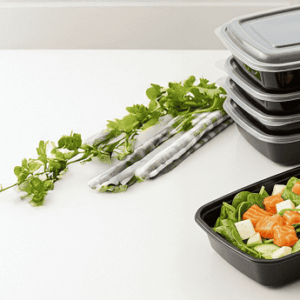
Food-grade PP containers can be used across a wide range of food-service and food-packaging applications, depending on their specific design and intended use.
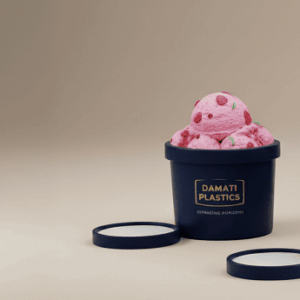
Damati offers a broad range of polypropylene food containers in different formats and capacities, including round, rectangular, compartment, hinge, HD, RE, Cherry, Mango, and IML series.
For international buyers, however, the right approach is to evaluate the specific container and application.
A container used for frozen desserts may have different requirements from one used for hot prepared meals. Likewise, packaging intended for the U.S. market may require different documentation considerations from packaging destined for the European Union.
The material alone is therefore not the complete compliance picture.
What Documents Should International Buyers Request?
Before placing a bulk export order, buyers should establish their documentation requirements with the supplier.
Depending on the destination market and application, useful documents may include:
1. Product Specification Sheet
A product specification sheet can provide important information such as:
• Product name
• Capacity
• Dimensions
• Material
• Product weight
• Colour options
• Lid configuration
• Intended application
2. Food-Contact Compliance Documentation
Ask for documentation demonstrating the suitability of the packaging for the intended food-contact application and destination market.
The format and supporting information may vary depending on the market and product.
3. Test Reports
Where applicable, buyers may request migration or other laboratory testing relevant to the intended application.
The test conditions should correspond meaningfully to how the packaging will actually be used.
4. Quality or Food-Safety Certifications
If a supplier claims ISO certification, buyers should check:
• Certification standard
• Certificate validity
• Certification scope
• Certified location
• Relevant manufacturing activities
5. Traceability Information
For large international orders, traceability can be an important part of supplier evaluation.
Buyers may want to understand how materials and finished products are identified and tracked throughout production.
What Should You Ask a Food Packaging Manufacturer?
Price is important, but it should not be the only factor when evaluating an export supplier.
International buyers should consider asking:
What material is used for the container?
Confirm the specified polypropylene grade and request relevant material documentation where required.
Is the container suitable for my application?
Tell the manufacturer what food will be packed, the storage temperature, and how the container will be handled.
What food-contact documentation can you provide?
Ask specifically for documents relevant to your destination market rather than accepting only a generic “food grade” statement.
Can you provide relevant test reports?
Where migration or other testing is applicable, ask whether reports are available for the actual product.
What quality certifications does the manufacturing facility hold?
Request certification details, validity, and scope where applicable.
Can you support bulk export requirements?
Discuss MOQ, production lead time, carton quantities, customization, labelling, and shipping specifications before confirming the order.
Choosing a Food Packaging Manufacturer in India for Export
India has a strong manufacturing base for plastic packaging, but international buyers should evaluate suppliers based on more than product range and price.
A reliable food packaging manufacturer in India should be able to demonstrate consistent production, appropriate quality systems, technical documentation, and an understanding of international buyer requirements.
Supplier evaluation becomes even more important when purchasing large quantities or establishing a long-term packaging partnership.
Buyers should consider:
• Manufacturing capability
• Product range
• Quality-control processes
• Product consistency
• Food-contact documentation
• Testing capabilities
• Customization options
• MOQ
• Production lead times
• Export experience
• Technical support
A supplier that can clearly explain these areas can make the sourcing process more transparent and reduce potential issues after an order has been placed.
Export Food Packaging Checklist
Before finalizing an international food packaging supplier, use this checklist:
• Confirm the destination market.
• Identify the food product and intended use.
• Confirm the packaging material.
• Request product specifications.
• Check applicable food-contact requirements.
• Request relevant compliance documentation.
• Determine whether migration testing is required.
• Review applicable FDA or EU requirements.
• Verify ISO certification claims and scope.
• Confirm MOQ and production lead time.
• Discuss customization requirements.
• Confirm carton and shipping specifications.
• Establish traceability requirements.
• Approve product samples before mass production.
Taking these steps before production can help international buyers identify documentation gaps and packaging issues early.
The Bottom Line
For international buyers, selecting food packaging containers is about much more than finding the right size and price.
The packaging material, intended application, destination-market requirements, technical documentation, testing, and manufacturing quality system all need to be considered together.
FDA requirements, EU food-contact regulations, ISO certification, material specifications, and migration testing each serve different purposes. Understanding those differences helps importers and food businesses ask better questions and make more informed supplier decisions.
For businesses sourcing plastic containers for food packaging from India, choosing a manufacturer that can discuss product specifications, food-contact requirements, documentation, production, and export needs can help build a more dependable supply chain.
Damati provides a broad range of food-grade PP containers and food packaging solutions for food businesses and international markets. Explore Damati’s product range to find suitable container formats and capacities for your application, or contact the Damati team to discuss your bulk and export packaging requirements.
Frequently Asked Questions
1. What certifications are required for food packaging exports?
Requirements depend on the destination country, packaging material, intended food contact, and application. Buyers should identify the applicable regulations and request relevant compliance and testing documentation from their supplier.
2. Does FDA approve every PP plastic food container?
No. FDA requirements address food-contact substances and materials and their permitted uses. Polypropylene is included in FDA’s food-contact regulations, but compliance needs to be evaluated for the relevant product, intended use, and conditions of use.
3. What EU requirements apply to plastic food containers?
Plastic food-contact materials in the EU are subject to applicable European food-contact legislation, including Regulation (EU) No 10/2011 for plastics. Requirements can include provisions concerning substances and migration limits.
4. Is ISO certification the same as food-contact compliance?
No. An ISO certification such as ISO 22000 relates to a food safety management system. It does not automatically replace product-specific food-contact regulatory requirements.
5. What documents should international buyers request from a food packaging supplier?
Depending on the market and product, buyers may request product specifications, food-contact compliance documentation, relevant test reports, material information, quality certifications, and traceability information.
