


American-Style Disposable PP Containers: Why Food Brands Are Making the Switch
Blogs > American-Style Disposable PP Containers: Why Food Brands Are Making the Switch
Ask any cloud kitchen owner what keeps them up at night, and packaging is usually somewhere on the list. Not the glamorous kind of packaging, just the boring, essential kind: does the gravy stay inside the box between the kitchen and the customer’s door?
That question is why we’re seeing more food brands move to American-style disposable PP containers. We’ve manufactured food-grade polypropylene containers since 2003, and the conversations we have with buyers have changed. They used to ask for the cheapest option. Now they ask which container will protect their product, their margins, and their reviews.
This guide covers what “American-style” means, why PP suits it, and what to check before you place an order.
What “American-style” actually means
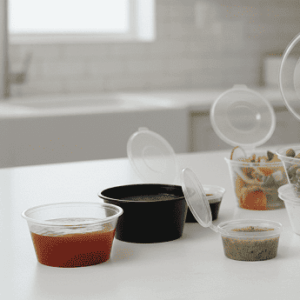
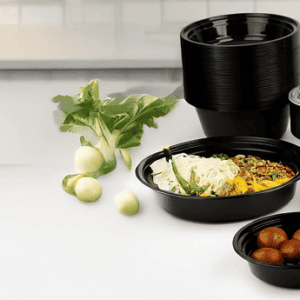
The term gets used loosely, so let’s pin it down. American-style containers are the deli-style tubs you’d see at a salad bar or a retail deli counter:
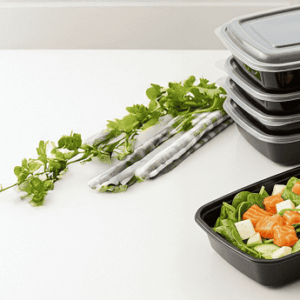
• Clear or translucent walls, so customers see the food
• Snap-on lids that close with a firm, audible fit
• Round or rectangular shapes that stack neatly
• Tamper-evident options for delivery and retail
None of this is complicated. The design earns its popularity because it solves everyday problems: storage space, presentation, and spills.
Why food-grade polypropylene (PP) works so well
Most of these containers are made from polypropylene, resin code 5. Here is why manufacturers and food brands keep choosing it.
It’s light but tough. PP resists cracking and breaking, which matters when boxes get stacked, dropped, and jostled in transit.
It handles hot and cold food. Soups, gravies, salads, and desserts can all go in the same material. Heat tolerance varies by grade and design, though, so always check the manufacturer’s spec sheet before printing “microwave-safe” on anything. We’d rather you verify than guess.
It’s reusable and recyclable in principle. PP is widely accepted for recycling, although actual recycling depends on local collection systems. Be honest about this in your own marketing. Customers notice overclaiming.
It’s cost-efficient at volume. For brands moving thousands of units a month, the per-unit saving adds up quickly.
Where these containers earn their place
From what we see across our buyer base, these are the strongest use cases:
1. Cloud kitchens and delivery brands: leak resistance and stackability directly affect refund rates.
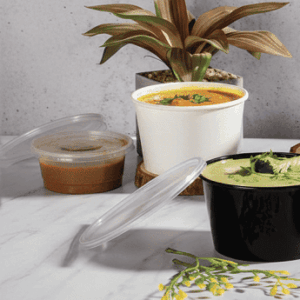
2. Soups, curries and gravies: a tight-sealing lid is the difference between a happy customer and a ruined bag.
3. Salads and cold meals: clear walls do the selling for you.
4. Meal prep and tiffin services: uniform sizes make portioning easier.
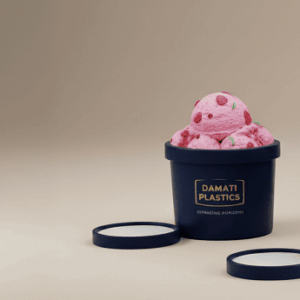
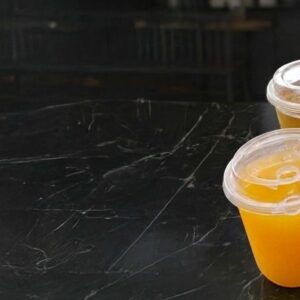
5. Bakeries and dessert brands: small deli cups suit puddings, mousses and toppings.
6. Retail deli counters and gourmet stores: tamper-evident lids build shopper trust.
What to check before you buy
This is where most buyers get caught out, so take your time here. Ask your supplier about each of these points, and ask for it in writing.
1. Capacity range. Check that the sizes match your portions. A container that’s 100 ml too big wastes money and lets food slosh around.
2. Lid seal. Ask for samples and test them yourself. Fill a container with water, close the lid, turn it upside down, and give it a shake. Ten seconds of testing tells you more than a brochure.
3. Wall thickness. Thin walls save cost but can flex, crack or warp under hot food. Ask for the specification, not just a verbal reassurance.
4. Stack height and nesting. Good stackability saves warehouse space and cuts shipping costs. Ask how many units fit per carton.
5. Food-grade certification and compliance. This one matters most. For India, ask about compliance with FSSAI packaging requirements and the relevant IS standard for polyolefins in contact with food. If you’re exporting, the market matters: the US refers to FDA regulations on olefin polymers, and the EU has its own food-contact framework. A trustworthy supplier will share test reports without hesitation. If they get vague, that tells you something.
6. Heat rating. Confirm the maximum temperature the container is designed for, and check it against how you actually use it.
7. Print and branding options. If you want your logo on the tub, ask about minimum order quantities and lead times early.
Three mistakes we see again and again
• Choosing on price alone. The cheapest container often costs more once you count leaks, complaints, and replacements.
• Skipping samples. A spec sheet can’t show you how a lid feels when a delivery rider is in a hurry.
• Overclaiming on the label. Writing “microwave-safe” or “100% recyclable” without proof creates legal and reputational risk.
Why brands work with Damati
We started manufacturing in 2003, and we now run production at plants in Silvassa, Daman and Paria in Gujarat. We export to more than 20 countries, so our team is used to meeting different market requirements, not just one. Our range covers deli containers, round series, and other food-grade PP formats, so you can match a container to a specific product instead of forcing one size to fit everything.
We’re also happy to be tested. Send us your food type, fill temperature, and delivery conditions, and we’ll tell you honestly which container suits you, even if the answer is a simpler, cheaper one than you expected.
Frequently asked questions
Are American-style PP containers safe for hot food?
Generally yes, within the limits of the specific grade and design. Always check the maximum temperature on the manufacturer’s spec sheet, and match it to your actual fill temperature.
Can I microwave PP deli containers?
Many PP containers are designed for reheating, but not all lids or grades are. Confirm the microwave rating in writing before you print “microwave-safe” on your packaging, and advise customers to vent the lid while heating.
Are PP containers really leak-proof?
A well-made container with a properly fitted snap-on lid resists leaks very well, but no container is leak-proof in every situation. Test samples with your own product, especially thin gravies, and check whether a tamper-evident band or sealing film would help.
Are PP containers recyclable?
PP is a recyclable plastic, but whether it actually gets recycled depends on local collection facilities. Check what’s available in your city before making sustainability claims.
Can I get custom sizes or branding?
Often yes, subject to minimum order quantities. Ask early, because tooling and printing affect lead times.
What is the difference between PP and PET containers?
PET is usually crystal clear and works well for cold items like salads and desserts. PP handles heat better, so it suits soups, gravies and hot meals. Many brands use both, depending on the product.
What is the best way to test a sample?
Fill it with your actual product at your actual serving temperature, seal it, and simulate a delivery journey. Turn it upside down, shake it, and stack it under weight. Ten minutes of testing saves months of complaints.
What food-safety approvals should I ask a supplier for?
For India, ask about compliance with FSSAI packaging requirements and the relevant IS standard for polyolefins in food contact. For exports, check the target market: the US refers to FDA regulations on olefin polymers, and the EU has its own food-contact framework. Ask for test reports.
What order quantities do you work with?
It varies by product, size and whether you want printing. Share your monthly volume and we’ll suggest a sensible starting order, including a sample run if you’d like to test first.
Ready to find the right fit?
If you’re deciding between container styles, or your current packaging isn’t holding up, we’d like to help. Request our catalogue or samples at damati.org.in, and tell us what you’re packing. We’ll come back with options that suit your product and your budget.
