


From Garba Nights to Diwali Nights: Choosing the Right Glass for Every Celebration
Blogs > From Garba Nights to Diwali Nights: Choosing the Right Glass for Every Celebration
Ask anyone who has helped run a Navratri event, and they’ll tell you the same thing. The garba ground is loud, packed, and moving. Somebody’s cousin is carrying a tray, a child is running through the crowd, and a full glass of chaas is one bump away from the floor.
Fast forward a few weeks to Diwali. Now it’s a sit-down party with mocktails, dessert shots, and guests who want the table to look good.
Same season, same city, completely different glass. After more than twenty years in food-grade polypropylene manufacturing, we’ve seen event planners and caterers lose money on this one decision. It seems minor until 300 guests are holding the wrong glass.
This guide covers what to use, where, and why.
Why polypropylene (PP) is the festive-season workhorse
Most disposable glasses at Indian events are made from polypropylene, and there are good reasons for it. Food-grade PP is light, tolerates both cold and moderately warm drinks, resists cracking, and can be made clear or coloured. It also doesn’t shatter, which matters when children and crowds are involved.
One point we always stress to buyers: “food-grade” should be a documented claim, not a marketing word. Ask your supplier about the raw material grade and whether the product is manufactured for food contact. Our own glasses are made in dedicated facilities in Silvassa, Daman, and Paria (Gujarat), and we export to 20+ countries, so the food-contact question is one we’re asked constantly.
1. Garba and dandiya nights: go spill-resistant
Navratri crowds are the toughest test for any glass. People dance, stop, sip, and dance again, often with a glass in one hand and dandiya sticks in the other.
Sipper glasses are built for exactly this. The lid holds the drink in when someone jostles you, and the sipping opening reduces splashes on festive outfits, which is a real concern at events where people have spent good money on chaniya cholis and kediyus.
They work particularly well for:
• Sharbat and rose milk stalls at garba grounds
• Kids’ zones, where spills are almost guaranteed
• Corporate Navratri celebrations with mixed crowds
• Outdoor venues where dust, insects, and wind are a factor
Practical tip: if you’re running a stall, hand out sipper glasses with a paper straw or a sipping lid rather than an open top. Cleanup after the event gets noticeably easier.
2. Chaas, sharbat, and cold coffee: the everyday PP glass
Not every occasion needs a lid. For sit-down meals, community dinners, and prasad-style serving, a standard PP plastic glass is the sensible choice: it’s clear, light, cost-efficient, and stacks neatly for storage and transport.
It suits:
• Chaas and lassi at traditional thali meals
• Iced coffee and cold coffee counters
• Fruit juices and lemonade stalls
• Water service at large gatherings
A note on temperature: PP handles cold drinks very well, but check the specifications before serving anything hot. Not every PP glass is designed for hot beverages, so match the glass to the drink rather than assuming.
3. Diwali mocktails and dessert shots: let clarity do the work
Diwali entertaining is visual. Hosts spend hours on lighting, rangoli, and food presentation, and the glass should support that effort rather than undermine it.
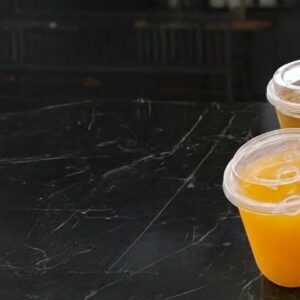
Clear PP glasses show off layered mocktails, sparkling drinks, and colourful sharbats. In smaller sizes, they also work well for dessert shots such as phirni, shrikhand, kheer, or mousse, which have become popular at festive buffets over the last few years.
Two things we’d suggest:
1. Choose a clear finish for layered drinks so the colours are visible.
2. Use smaller-capacity glasses for desserts, since portion control also keeps food cost in check.
4. A simple size guide by drink and event
Sizes vary between manufacturers and product lines, so treat this as a starting point and confirm the exact ml capacity against the actual SKU before placing a bulk order.
| Drink / use | Typical serving range | Suggested glass |
| Dessert shots, tasting portions |
60-100 ml | Small clear PP glass |
| Chaas, sharbat, juice | 200-250 ml | Standard PP glass |
| Cold coffee, mocktails | 250-350 ml | Larger clear PP glass |
| Garba stall drinks | 250-300 ml | Sipper glass |
These are indicative ranges based on common serving practice. Your menu and pour size are what count.
5. For caterers and event planners: what to ask your supplier
If you’re ordering for a large event, the glass is only part of the decision. Here’s what we’d look at before confirming an order:
• Food-contact suitability: ask what the material is and how it’s certified.
• Consistency: batch-to-batch variation causes stacking and lid-fit problems.
• Printing and branding: custom logos on glasses are a cheap way for beverage brands and venues to stand out.
• Bulk pricing and lead time: festive-season demand spikes fast, so order early.
• Storage and packaging: how the glasses are packed affects both cleanliness and transport damage.
A responsible note on single-use plastics
Since we make plastic products, we’d rather address this openly. Regulations on single-use plastics in India continue to evolve, and rules differ by state and product type. Anyone buying at scale should check the current local requirements before ordering. Choosing the right size, and not over-ordering, is one of the easiest ways to reduce waste at an event. Encourage collection and recycling at your venue wherever possible.
Final thought
The best festive glass is the one your guests never think about. It doesn’t leak, it doesn’t crack, and it makes the drink look good. Whether your night begins on a garba ground or ends at a Diwali dinner table, the choice comes down to matching the glass to the moment.
Planning a festive event or bulk order? Talk to our team at damati.org.in for a quote, samples, and printing options.
Frequently Asked Questions
1. What is the difference between a sipper glass and a regular PP plastic glass?
A sipper glass has a lid with a small drinking opening, which cuts spills and keeps the drink covered. A regular PP glass is open-topped and better for clear presentation and sit-down service.
2. Are PP plastic glasses safe for food and drinks?
Food-grade polypropylene is widely used for food contact. Always confirm that the product you buy is specifically made and supplied as food-grade.
3. Can PP glasses be used for hot drinks?
Some can, but not all. Heat tolerance depends on the specific product, so check the specification before serving hot beverages.
4. What size glass is best for chaas or sharbat?
Most events use roughly 200-250 ml for these drinks. Confirm the actual capacity of the SKU you plan to order.
5. Can I get glasses printed with my brand or event name?
Yes, printing and branding options are commonly available for bulk orders. Ask your supplier about minimum quantities and artwork requirements.
6. How early should I order for Navratri and Diwali?
As early as possible. Festive demand rises sharply, and custom-printed orders take longer to produce.
7. Are disposable plastic glasses recyclable?
Polypropylene is a recyclable plastic, but actual recycling depends on collection systems at your location. Check local guidelines.
