


World Food Safety Day 2026: Why Smart Food Packaging Is India's Most Powerful Food Safety Tool
Blogs > World Food Safety Day 2026: Why Smart Food Packaging Is India's Most Powerful Food Safety Tool
Every year on June 7, the world observes World Food Safety Day — a United Nations initiative led by the WHO and FAO to draw attention to the global burden of foodborne illness and to inspire action at every level of the food system. For World Food Safety Day, the occasion carries particular urgency. With over 1.4 billion consumers, a rapidly growing food delivery economy, and an expanding network of cloud kitchens, QSRs, and hotel F&B operations, India’s food safety infrastructure must be strong, scalable, and smart.
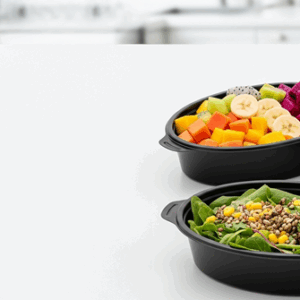
In 2026, the conversation around food safety is not just about what goes into food — it is equally about what surrounds it. PP plastic food storage containers are the silent guardians of food safety. Chosen well, they prevent contamination, preserve freshness, and help businesses stay compliant with FSSAI food safety rules. Chosen poorly, they become the very source of the problem they were meant to prevent.
At Damati, India’s leading and trusted food container manufacturer since 2003, we have spent over two decades engineering packaging solutions that make food safety effortless. This blog is our contribution to World Food Safety Day 2026 — a practical guide to safer food storage, better kitchen practices, and smarter packaging choices for homes, hotels, and food businesses across India.
The Food Safety Crisis No One Is Talking About
According to the World Health Organization, approximately 600 million people suffer from foodborne diseases each year, with 420,000 deaths globally. In India, improper food storage, unsafe packaging materials, and poor kitchen hygiene are among the leading contributors to this crisis.
The risk is not limited to street food or small vendors. Hotels, restaurants, canteens, and even home kitchens are vulnerable when the basics are ignored: incorrect food hygiene practices in kitchen settings, using the wrong plastic containers for food storage, or failing to follow safe food handling tips can turn a perfectly prepared meal into a health hazard.
On World Food Safety Day 2026, the message is clear: prevention is always better than treatment. And prevention starts with the packaging you choose and the practices you follow every single day.
FSSAI Food Safety Rules Every Food Business Must Know
The Food Safety and Standards Authority of India (FSSAI) sets the regulatory framework for food safety across the country. Understanding FSSAI food safety rules is not optional — it is a legal obligation for any business that handles, stores, prepares, or serves food in India.
Key FSSAI Regulations on Food Packaging
• Plastic food storage containers and other food-contact packaging must be manufactured from food-grade materials that do not transfer harmful substances to food.
• All food packaging containers used commercially must be labelled with material type, manufacturer name, and intended use — including whether they are rated as a microwave safe food container or suitable for freezing.
• Businesses must source packaging exclusively from verified wholesale food container suppliers who can provide food-grade certification and material data sheets on request.
• Use of recycled plastics in direct food contact packaging is prohibited. Every food takeaway containers must be made from virgin food-grade polymer.
• Operators using food container products must ensure the containers carry explicit microwave-safe certification and are not used beyond their rated temperature range.
Food Safety Tips for Hotels India: A Complete Operational Guide
Hotels are among the most demanding food safety environments in India. A single service can involve hundreds of covers across multiple cuisines, temperature requirements, allergen categories, and service styles. Getting packaging and storage right is not just good practice — it is the difference between a safe dining experience and a public health incident.
Here are practical food safety tips for hotels in India, structured around the key areas where packaging directly impacts safety:
1. Hot and Cold Holding: Use the Right Containers
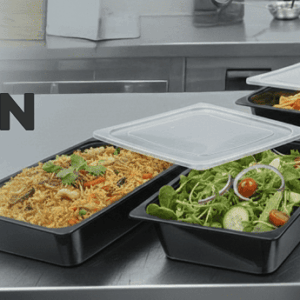
Gastronorm pan containers are the gold standard for professional kitchen hot and cold holding. Manufactured to international GN dimensions, they fit standard bain-marie units and refrigeration systems, ensuring food is held at the correct temperature throughout service. Damati’s gastronorm pan range is made from food-grade polypropylene and is engineered for repeated thermal cycling without warping or cracking.
2. Takeaway and Delivery: Seal, Label, Protect
India’s food delivery market is growing at over 25% annually. For hotels entering the takeaway and delivery space, plastic food takeaway containers are the face of your brand — and the last line of defence between your kitchen and the customer’s table.
• Use food packaging containers with secure, tamper-evident lids for all delivery orders — customers should be able to verify the seal has not been broken.
3. Beverage Service: Hygiene at the Point of Pour
Beverage safety is often overlooked in food hygiene audits, but a contaminated sipper glass or a scratched mocktail plastic glasses unit can harbour bacteria just as readily as a food container. Follow these steps:
• Use only BPA-free, food-grade plastic glasses for all beverage service — Damati’s sipper glass range is manufactured from crystal-clear, food-safe polymer that meets international beverage contact standards.
• Never stack wet glasses — moisture trapped between stacked units creates ideal conditions for bacterial and mould growth.
4. Buffet and Presentation: Safe Food Display
Food presented on a buffet line is exposed to the environment for extended periods. Proper enclosure and display hygiene are critical.
• Use round plastic food containers with fitted lids for all cold salad bar items — expose only what is being actively served and keep the remainder lidded and chilled.
• Ensure every pizza stand used in buffet or QSR service elevates the product away from surface contact — direct surface contact is a common and preventable source of contamination in casual dining settings.
How to Choose the Right Food Packaging Containers: A Practical Buyer’s Guide
With hundreds of food packaging containers options on the market, making the right choice for your specific use case is critical. Here is a practical decision framework:
• Temperature: Will the container go in a microwave, freezer, or bain-marie? Match your choice to the thermal requirement — not all plastic storage containers for food are rated for every temperature range. Always check for explicit microwave safe food container rating before reheating.
• Food type: Acidic and fatty foods require containers with high chemical resistance. Damati’s plastic food storage containers in PP5 grade are suitable for tomato-based sauces, citrus dressings, and oil-rich preparations.
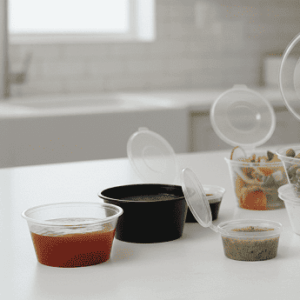
• Service context: Premium takeaway benefit from transparent plastic containers for visual appeal and brand presentation. High-volume delivery operations should prioritise leak-proof food takeaway containers with tamper-evident closures.
• Volume: High-volume operations should partner directly with wholesale food container suppliers to secure consistent supply at commercial pricing without compromising on material grade or food safety certification.
• Sustainability: Where operations allow, choose reusable food containers that can be cleaned and reused multiple cycles — reducing plastic waste while maintaining full food safety compliance under FSSAI food safety rules.
Frequently Asked Questions
Q1. What is World Food Safety Day 2026 and why does it matter for India?
World Food Safety Day 2026 is observed on June 7 and is designated by the United Nations to raise awareness about foodborne illness and drive action across the food supply chain. For World Food Safety Day India, the occasion is a call to action for food businesses, regulators, and consumers to strengthen food safety practices — from sourcing raw materials to the packaging that delivers food to the end consumer.
Q2. Are plastic containers safe for food storage?
Yes — when manufactured from food-grade material. Plastic containers for food storage made from BPA-free PP5 polypropylene, such as those produced by Damati, are safe for food contact, reheating (if rated microwave safe food container), and repeated use after proper cleaning. Always verify the food-safe symbol and material grade before purchasing plastic food storage containers.
Q3. What FSSAI rules apply to food packaging in India?
Under FSSAI food safety rules, all food packaging containers used in commercial food businesses must be made from approved food-contact materials, labelled with material type and manufacturer details, and free from harmful additives or recycled content. Businesses must also maintain documentation of their packaging suppliers as part of FSSAI licence compliance.
Q4. What makes Damati a trusted food container manufacturer?
Damati has operated as a certified food container manufacturer since 2003, supplying high-quality food packaging to thousands of food businesses across India and internationally. Our range spans round plastic food containers, gastronorm pan systems, iml container, microwave safe food container solutions, food takeaway containers, and more — all manufactured from food-grade materials with full quality certification.
Q5. How can I order Damati containers in bulk?
Damati operates as a trusted takeaway container supplier and wholesale food container suppliers partner for food businesses of all sizes. Visit www.damati.org.in to explore our full product catalogue or contact our sales team directly for bulk pricing and custom requirements.
Conclusion: Make Food Safety Your Everyday Commitment
Food safety is not a once-a-year conversation — but World Food Safety Day 2026 is the ideal moment to recommit. Whether you are a hotel procurement manager implementing food safety tips for hotels India, a home cook upgrading your food storage containers with lids, or a cloud kitchen operator ensuring your food takeaway containers meet every requirement of FSSAI food safety rules — the choices you make around packaging directly determine the safety of every plate you serve.
At Damati, we build packaging that makes safe food handling effortless. From gastronorm pan and iml container solutions to our microwave safe food container, sipper glass, and round plastic food containers ranges, every product in our portfolio is engineered with one purpose: to keep food safe, fresh, and ready to serve.
Explore India’s most comprehensive range of high-quality food packaging, reusable food containers, and food service packaging at www.damati.org.in.
